
Newsletter on Health and Fitness: The Healthy Habit Guide
A reliable health and fitness newsletter can turn complicated wellness information into practical, easy-to-follow advice. Here is what readers should know before trusting one.
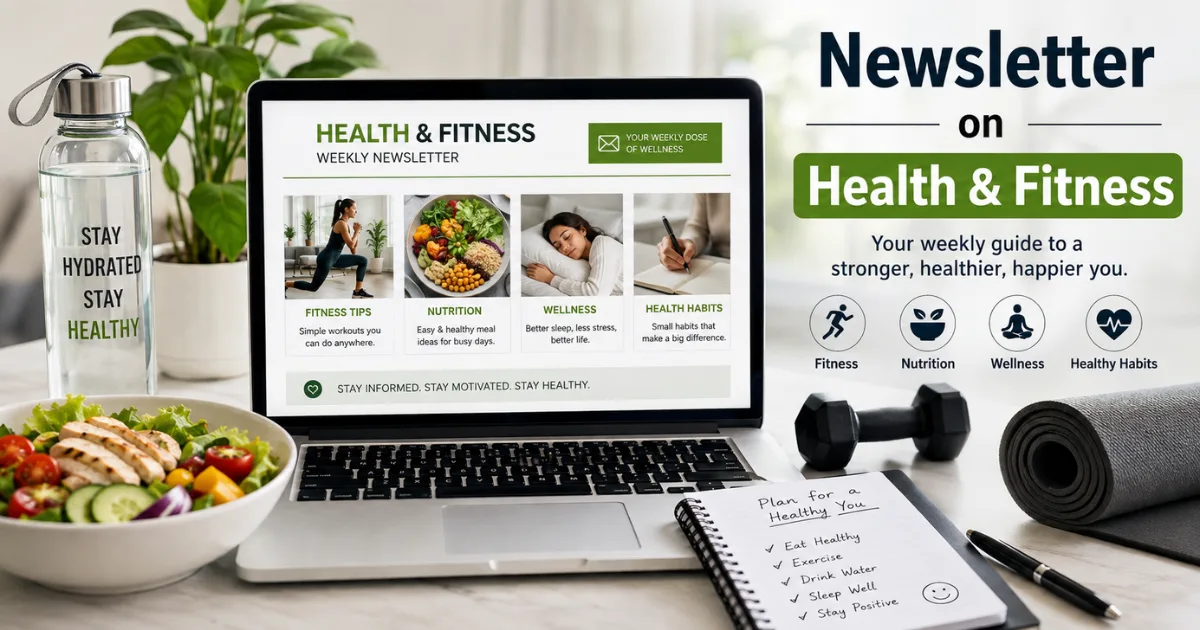
A good newsletter on health and fitness can turn confusing wellness advice into simple steps people can follow. Instead of chasing every new diet, workout trend, or viral health claim, readers can get practical information in one place. Health advice online can be loud and conflicting. A trustworthy newsletter cuts through the noise with clear explanations and small actions that fit real life every day.
What is a newsletter on health and fitness?
A newsletter on health and fitness is a regular email that shares useful information about exercise, nutrition, sleep, stress, healthy habits, and everyday wellbeing. The best newsletters do not promise instant results. They explain what is known, what is uncertain, and what readers can realistically do next.
For readers, the value is convenience. An email can offer:
A simple workout idea
A practical nutrition tip
A reminder about sleep and recovery
A summary of important health news
Questions to discuss with a qualified professional
Why are people turning to health and fitness newsletters?
People are increasingly looking for reliable information without spending hours scrolling through social media. A newsletter arrives directly in the inbox and can be read when the reader has time.
Another advantage is consistency. Health improvements usually come from repeated habits rather than one dramatic change. A weekly message can remind readers to walk, prepare balanced meals, protect sleep, or make time for recovery.
This approach makes wellness feel less overwhelming. Readers can focus on one realistic improvement at a time.
What should a trustworthy newsletter include?
A strong newsletter should put accuracy before hype. It should explain health claims in plain language and avoid presenting opinions as medical facts.
Readers should look for content that:
Names credible sources when making important claims
Separates evidence from personal experience
Avoids miracle cures and guaranteed results
Encourages professional advice when appropriate
Uses clear dates for health news and studies
Organizations such as the World Health Organization and the Centers for Disease Control and Prevention provide widely used public-health information. Readers can use those resources to check major claims (source: WHO; CDC).
Can a newsletter really help people become healthier?
Yes, but it should be viewed as a guide, not a substitute for professional care. A useful newsletter can help readers understand healthy routines and stay motivated, while personal medical decisions should be discussed with a qualified healthcare professional.
For example, an issue might suggest a 20-minute walk, explain strength training, or offer ideas for adding vegetables to meals. Small habits can become meaningful when repeated.
The key is personalization. Fitness goals differ. Someone training for a race needs a different plan from someone who simply wants to move more during a desk-based workday.
What health and fitness topics are readers searching for?
The most useful topics are usually connected to everyday questions. Readers want answers that are practical, current, and easy to understand.
Popular subjects can include:
How much exercise adults need
Easy high-protein meal ideas
Better sleep habits
Beginner strength-training routines
Walking for general fitness
Managing stress and screen time
Recovery after exercise
Understanding health headlines
A newsletter can respond quickly when new research makes headlines. Rather than repeating a sensational claim, it can explain what the study found, who was studied, and what the findings do not prove.
How can readers tell if a health newsletter is reliable?
Start with the writer and the sources. A credible publication should clearly identify its authors, explain where important information comes from, and correct mistakes when necessary.
Readers should be cautious when a newsletter uses fear, urgency, or dramatic promises to sell a product. Phrases such as “secret cure,” “guaranteed weight loss,” or “doctors hate this” are warning signs.
Check whether claims match guidance from recognized health organizations or research. [insert related article link here] can help readers explore more trustworthy health information on your website.
What makes a newsletter worth opening every week?
Useful information is only part of the equation. A successful newsletter respects the reader's time. Short sections, strong headings, examples, and clear takeaways make an email easier to scan.
A good issue might follow a simple format:
One health story
One fitness tip
One nutrition idea
One habit to try this week
One question readers can take to a professional
The tone matters too. Readers need helpful guidance that feels realistic and encouraging.
What does this mean for readers?
For anyone trying to make better health choices, a quality newsletter can become a useful weekly companion. It can help turn complicated information into understandable actions without promising perfection.
Stay curious, check sources, and avoid extreme advice. Health is not a race, and one missed workout does not erase progress.
A newsletter on health and fitness works best when it helps readers make informed choices, not when it tells them there is only one “right” way to live.
In a crowded wellness world, that difference matters. Reliable information, realistic habits, and steady encouragement can give readers something social media often lacks: context.
Before acting on medical information, readers should consider their needs and speak with a healthcare professional, especially with symptoms, medications, pregnancy, chronic conditions, or major lifestyle changes.
The strongest newsletter on health and fitness is not the one with the biggest promises. It earns trust, explains evidence clearly, and gives readers useful ideas they can apply today.
FAQs:
What is a newsletter on health and fitness?
It is an email sharing practical, evidence-based information about exercise, nutrition, sleep, and wellbeing.
How often should a health and fitness newsletter be sent?
Weekly is often a practical schedule because it provides value without overwhelming subscribers.
Are health newsletters trustworthy?
They can be, especially when they cite credible sources and clearly separate evidence from opinions.
Can a fitness newsletter replace a doctor?
No, newsletters provide general information and should not replace personalized medical advice.
What should I look for in a health newsletter?
Look for credible sources, clear explanations, realistic advice, transparent authorship, and no miracle claims.
Comments (0)
Be the first to comment.
Related stories
 Health
Scallions: The Fresh, Flavorful Ingredient You Should Know
Scallions are more than a simple garnish. Learn how to use, store, grow, and cook this versatile vegetable while discovering its nutritional benefits.
 Health
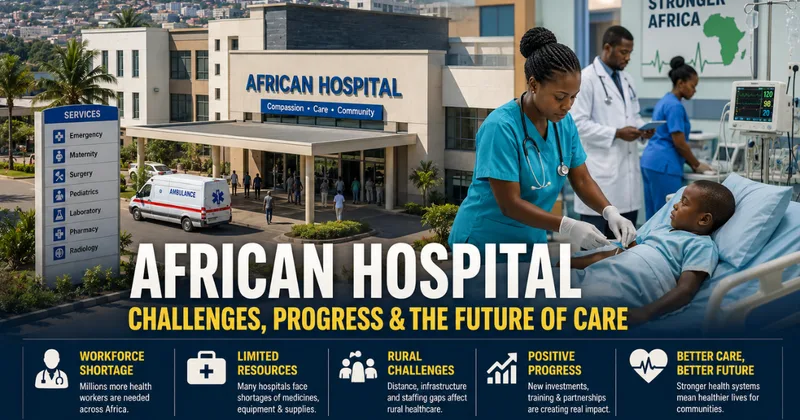
African Hospital: What’s Changing in Healthcare Across Africa?
African hospitals face major pressures, from workforce shortages to limited resources and emergency demands. But new partnerships, training and patient-safety efforts are creating opportunities for improvement.
 Health
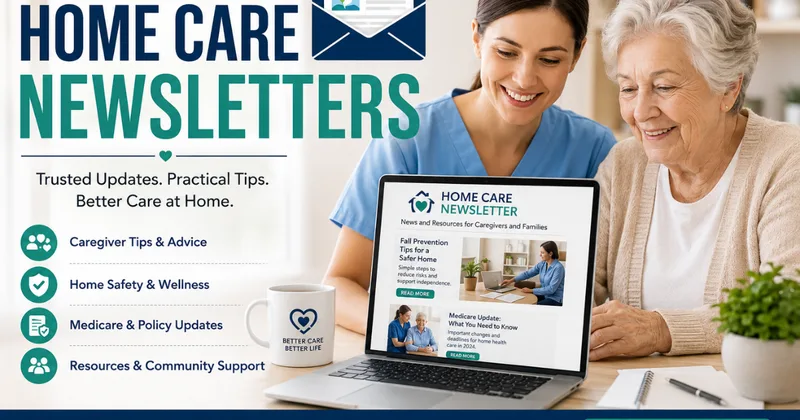
Home Care Newsletters: What Readers Need to Know
Home care newsletters help families, caregivers, and care professionals stay informed about care, Medicare, safety, policy changes, and useful resources.