
Scallions: The Fresh, Flavorful Ingredient You Should Know
Scallions are more than a simple garnish. Learn how to use, store, grow, and cook this versatile vegetable while discovering its nutritional benefits.
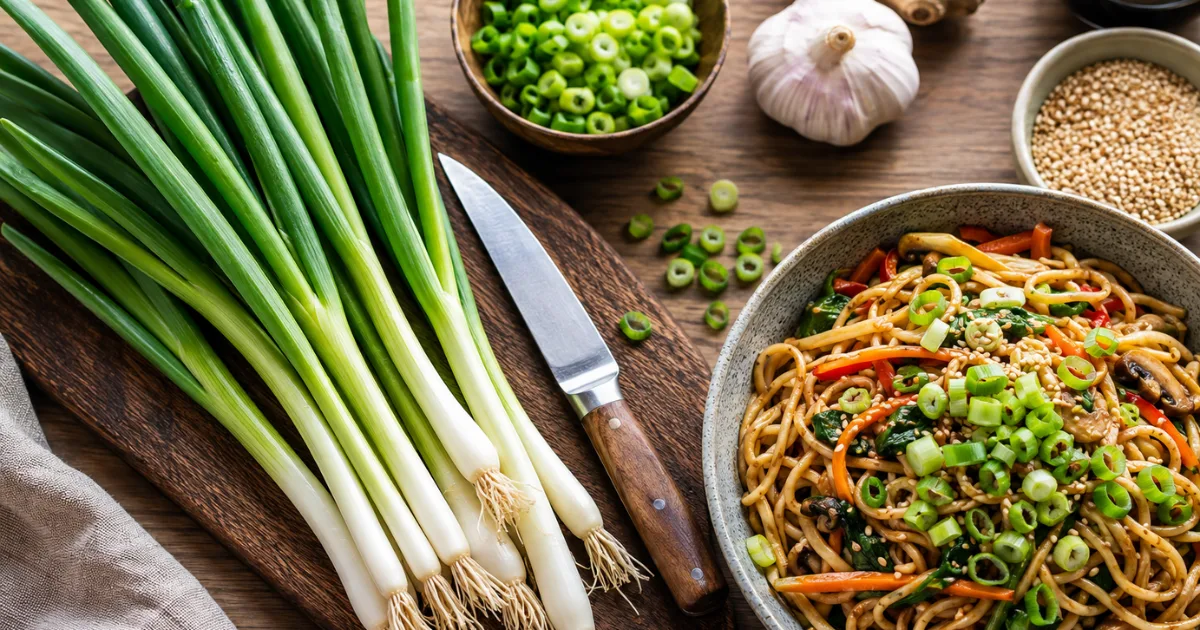
Scallions are having a quiet moment in kitchens everywhere. Their crisp texture, mild onion flavor, and bright green color can turn a simple meal into something fresh and inviting. Often called green onions or spring onions, scallions are easy to find, affordable, and surprisingly useful. But what makes them different from regular onions, and are they actually good for you? Here is a practical guide to scallions, from nutrition and storage to cooking ideas and common questions.
What are scallions?
Scallions are young onions harvested before the bulb becomes large and mature. They usually have a slender white base and long green leaves, and both parts can be eaten. Their flavor is lighter than that of mature onions, making them popular in salads, soups, noodles, rice dishes, eggs, sauces, and garnishes.
Names can vary by region. Green onions, spring onions, and scallions are sometimes used interchangeably, although botanical varieties and growing stages can differ. For everyday cooking, the important point is simple: scallions provide onion flavor without the sharp bite of a fully mature onion.
Are scallions healthy?
Yes. Scallions can be a nutritious addition to a balanced diet because they are low in calories and provide useful vitamins, minerals, and plant compounds. According to the U.S. Department of Agriculture, raw green onions contain vitamin K, vitamin C, folate, and smaller amounts of other nutrients. They also contribute dietary fiber, especially when the whole vegetable is eaten.
Their green leaves contain plant compounds with antioxidant activity. Research on onions and related allium vegetables has also explored their possible links with heart health and other benefits. These findings do not mean scallions prevent disease, but they show why adding a variety of vegetables to meals is a smart habit. (source: USDA FoodData Central)
Can you eat the green and white parts?
Yes, and that is one of the best things about scallions. The white section is usually more intense and onion-like, while the green tops are fresher, milder, and slightly grassy. You can slice both parts and use them together.
Try the white portion in:
Stir-fries and fried rice
Omelets and scrambled eggs
Soups and sauces
Marinades and savory fillings
Use the green tops for:
Salads and tacos
Noodles and rice bowls
Baked potatoes
Dips and finishing garnishes
Should scallions be cooked or eaten raw?
Either works. Raw scallions add crunch, color, and a clean onion flavor. They are especially good when sprinkled over foods just before serving. Cooking softens their texture and makes the flavor sweeter and less sharp.
For a quick meal, sauté sliced scallions with vegetables, add them to scrambled eggs, or mix them into cooked rice. You can also grill or roast whole scallions until lightly charred. That creates a deeper, smoky flavor that works well with grilled meats, fish, tofu, or flatbreads.
How should you store scallions?
Proper storage can help scallions stay crisp longer. Remove any damaged leaves, then keep the onions refrigerated. A simple method is to wrap them loosely in a slightly damp paper towel and place them in a reusable bag or container. Avoid trapping excessive moisture, because wet leaves can spoil quickly.
Another popular method is placing the roots in a small amount of water and covering the tops loosely with a bag. Change the water regularly and refrigerate when appropriate. Whatever method you choose, check for slimy leaves, unpleasant odors, or visible mold before use.
Can you regrow scallions from scraps?
Often, yes. If you save the white root ends with a little green attached, place them upright in a shallow container with a small amount of water. Put them near a bright window and replace the water regularly. New green growth may appear.
For longer-term growth, transplant rooted pieces into soil. Results vary depending on the plant, light, temperature, and care. Regrowing scraps is best viewed as a fun kitchen gardening project rather than a guaranteed endless supply.
What is the difference between scallions and green onions?
In many grocery stores and recipes, there is little practical difference because the names are used for the same type of young onion. Spring onions may sometimes refer to plants with a more developed, rounded bulb.
If a recipe calls for scallions, green onions will usually work as a direct substitute. The flavor and texture may vary slightly, but the dish should still turn out well.
How can you use scallions in everyday meals?
Scallions are one of those ingredients that can rescue a bland meal in seconds. Slice them thinly and keep them ready in the refrigerator. Add a handful to noodles, soups, sandwiches, wraps, or grain bowls.
For an easy topping, combine chopped scallions with sesame seeds and a little soy sauce. You can also mix them into yogurt with lemon and herbs for a quick dip. For breakfast, fold them into eggs or sprinkle them over avocado toast.
[insert related article link here]
Are there any safety or storage concerns?
Fresh scallions should be washed under clean running water before eating or cutting. Keep them refrigerated and use them while they look and smell fresh. People with food allergies or specific dietary restrictions should follow advice from their healthcare professional, but scallions are generally a normal vegetable used in many balanced diets.
Why are scallions suddenly so popular?
Scallions are inexpensive, quick to prepare, and useful across many cuisines at home and in restaurants worldwide. Social media food videos have helped popularize simple garnishes, but scallions have been a kitchen staple for generations.
What is the bottom line about scallions?
Scallions may look humble, but they are remarkably versatile. You can eat the white and green sections, serve them raw or cooked, and use them in everything from breakfast eggs to dinner noodles. They also provide useful nutrients while adding strong flavor for very few calories. Whether you call them green onions, spring onions, or scallions, keeping a bunch in the fridge is an easy way to make everyday food more exciting.
FAQS:
Are scallions and green onions the same thing?
In most recipes and stores, scallions and green onions refer to the same young onion.
Can you eat scallions raw?
Yes, scallions can be eaten raw and add a fresh, crisp onion flavor.
Are scallions good for you?
Yes, scallions provide nutrients including vitamin K, vitamin C, and folate.
How long do scallions last in the refrigerator?
Properly stored scallions can stay fresh for several days and sometimes longer.
Can you regrow scallions from scraps?
Yes, scallion root ends can often produce new green growth when placed in water or soil.
Comments (0)
Be the first to comment.
Related stories
 Health
African Hospital: What’s Changing in Healthcare Across Africa?
African hospitals face major pressures, from workforce shortages to limited resources and emergency demands. But new partnerships, training and patient-safety efforts are creating opportunities for improvement.
 Health
Home Care Newsletters: What Readers Need to Know
Home care newsletters help families, caregivers, and care professionals stay informed about care, Medicare, safety, policy changes, and useful resources.
 Health
Cardiff Chart: What Pregnant Women Need to Know
The Cardiff chart is a traditional way to record fetal movements during pregnancy. Here is how it works, what the number 10 means, and why reduced movements should not be ignored.