
Home Care Newsletters: What Readers Need to Know
Home care newsletters help families, caregivers, and care professionals stay informed about care, Medicare, safety, policy changes, and useful resources.
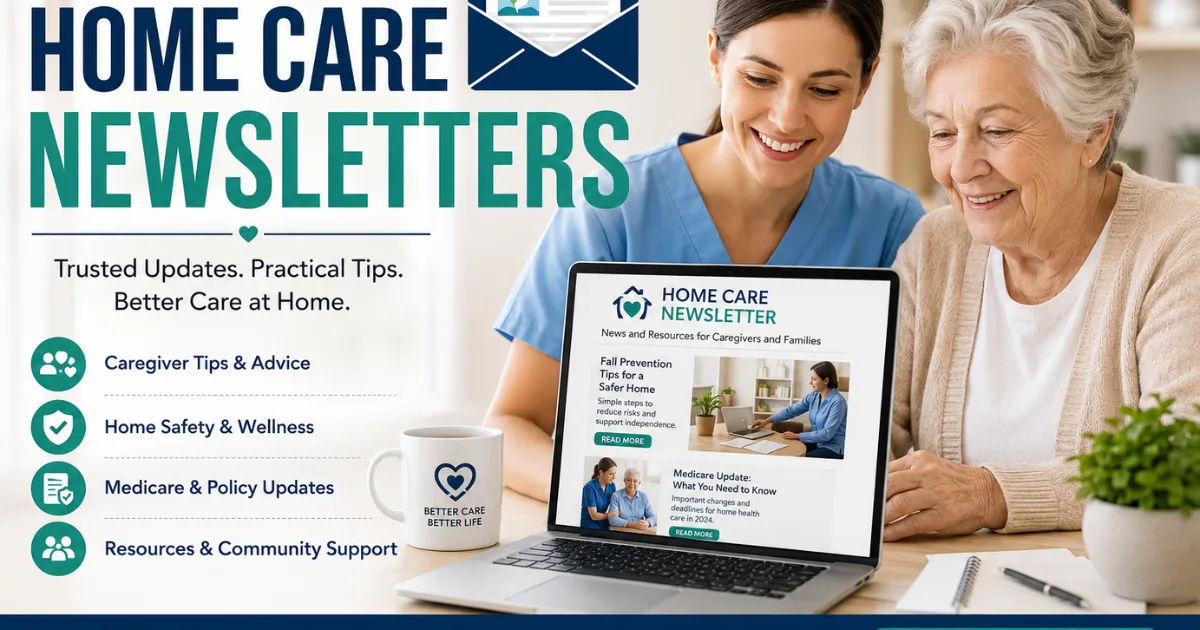
Home care newsletters have become a practical way for families, caregivers, patients, and care professionals to keep up with changing information without searching the internet every single day. A good newsletter can turn complicated home care topics into short, useful updates that arrive directly in an inbox. From care planning and safety tips to policy changes and community resources, the best editions answer questions readers actually have.
What are home care newsletters?
Home care newsletters are regular email publications that share news, advice, education, resources, and updates related to care delivered in a person's home. Some are written for family caregivers, while others target nurses, home health agencies, care managers, or older adults.
The strongest newsletters are not simply collections of links. They explain why an update matters and what readers should do next. That makes them useful for busy people who need reliable information quickly.
Why are home care newsletters useful?
They save time and help readers stay informed. Home care can involve appointments, medication schedules, safety concerns, insurance questions, changing regulations, and emotional challenges. A short newsletter can bring several important subjects together in one place.
For families, useful topics may include:
Home safety and fall prevention
Caregiver organization and planning
Questions to ask a home care agency
Medicare and insurance updates
Nutrition, mobility, and daily routines
Local support programs and community services
What should a good home care newsletter include?
A useful edition should answer the reader's immediate question before adding extra detail. It should have a clear headline, short sections, trustworthy sources, and practical next steps.
A strong newsletter may include:
A brief lead story explaining the most important update.
One or two practical care tips.
A clearly labeled resource or guide.
Important policy, Medicare, or regulatory news.
A short reminder about upcoming deadlines or events.
A link to a trusted source for deeper reading.
The Centers for Medicare & Medicaid Services provides an excellent example of this approach through MLN Connects, a regular newsletter for health care providers that includes policy details, announcements, educational resources, and program updates. (source: CMS)
Who should subscribe to home care newsletters?
Almost anyone involved in home-based care can benefit. Family caregivers may want simple guidance, while professionals may need technical updates.
Potential readers include:
Family members caring for older relatives
Home health nurses and aides
Care coordinators and case managers
Home care agency owners and administrators
Social workers and community organizations
Patients receiving services at home
How often should home care newsletters be sent?
There is no single perfect schedule. Weekly newsletters work well for fast-changing industry news, while monthly editions may be better for education, community updates, and longer features.
The priority should be consistency rather than volume. Sending too many emails can cause readers to ignore future messages. A predictable schedule helps build trust.
How can readers tell if a newsletter is trustworthy?
Check who publishes it, whether claims are supported by credible sources, and whether the information is current. Health and care advice can change, so readers should be cautious with newsletters that make dramatic promises or provide medical instructions without evidence.
Official sources are especially useful for coverage and policy questions. CMS maintains a Home Health Agency Information Center with resources covering enrollment, coverage, regulations, quality reporting, and program updates.
Readers should also check publication dates. An older article about Medicare, home health rules, or benefits may no longer reflect current requirements.
Can home care newsletters help families make better decisions?
Yes, when they provide clear information rather than replacing professional advice. A well-written newsletter can help a family prepare questions before speaking with a doctor, nurse, insurer, or home care agency.
For example, a newsletter might explain what questions to ask about:
Staff qualifications and supervision
Care plans and visit schedules
Communication with family members
Costs, coverage, and billing
Emergency contacts and after-hours support
CMS also publishes information about patient experience and home health quality. Its Home Health Care CAHPS survey measures patient experiences with Medicare-certified agencies, including communication and quality of care. (source: CMS)
For readers comparing providers, [insert related article link here] can offer additional guidance on choosing a home care agency.
What topics are trending in home care newsletters?
Current newsletters increasingly focus on quality, technology, caregiver support, workforce issues, and policy changes. Digital communication is also making it easier for organizations to share educational material, reminders, and resources.
Another important topic is transparency. Families want to understand who is providing care, what services are included, how quality is measured, and where to find help when something goes wrong.
Professional readers may also follow changes to payment systems and reporting requirements. CMS currently publishes home health quality announcements and resources, showing how quickly technical guidance can change.
How can a home care newsletter become more useful?
The answer is simple: focus on the reader. Avoid jargon, keep paragraphs short, explain unfamiliar terms, and place the most important information near the top.
A strong edition should also make every link worthwhile. Instead of saying “click here,” describe what the reader will find. Use clear labels such as “Medicare update,” “caregiver checklist,” or “home safety guide.”
Visual consistency matters too. A recognizable newsletter design can make information easier to scan on a phone.
What should readers look for next?
The best home care newsletters will continue to combine timely news with practical guidance. Readers should look for publications that identify their sources, update older information, and clearly separate general education from personal medical advice.
Home care is personal, but reliable information does not have to be difficult to find. The right newsletter can reduce research time, highlight important changes, and help families feel more prepared.
For professionals, newsletters can also support continuing education and awareness of industry developments. For families, they can provide a steady stream of understandable information without overwhelming the inbox.
The key is quality over quantity. Choose sources with a clear editorial purpose, verify important health or coverage claims through authoritative organizations, and speak with qualified professionals when a decision involves an individual's care.
In a field that changes quickly, staying informed can make everyday planning easier. That is why well-made home care newsletters remain a valuable tool for both caregivers and care professionals.
FAQs:
What are home care newsletters?
Home care newsletters are regular publications sharing news, advice, resources, and updates about care delivered at home.
Who should read home care newsletters?
Family caregivers, patients, home health professionals, care managers, and home care agencies can all benefit.
What should a good home care newsletter include?
It should include reliable news, practical care tips, useful resources, and clearly sourced updates.
How often should home care newsletters be sent?
Weekly or monthly schedules can work well, depending on how frequently the information changes.
Are home care newsletters reliable?
They can be useful when they come from credible organizations and clearly identify current, authoritative sources.
Comments (0)
Be the first to comment.
Related stories
 Health
Scallions: The Fresh, Flavorful Ingredient You Should Know
Scallions are more than a simple garnish. Learn how to use, store, grow, and cook this versatile vegetable while discovering its nutritional benefits.
 Health
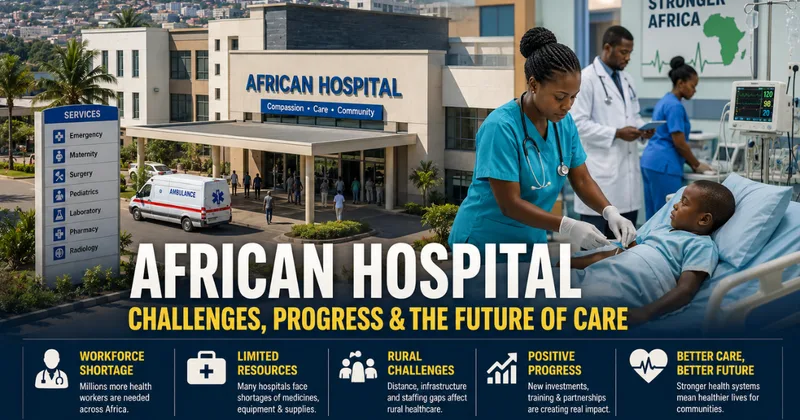
African Hospital: What’s Changing in Healthcare Across Africa?
African hospitals face major pressures, from workforce shortages to limited resources and emergency demands. But new partnerships, training and patient-safety efforts are creating opportunities for improvement.
 Health
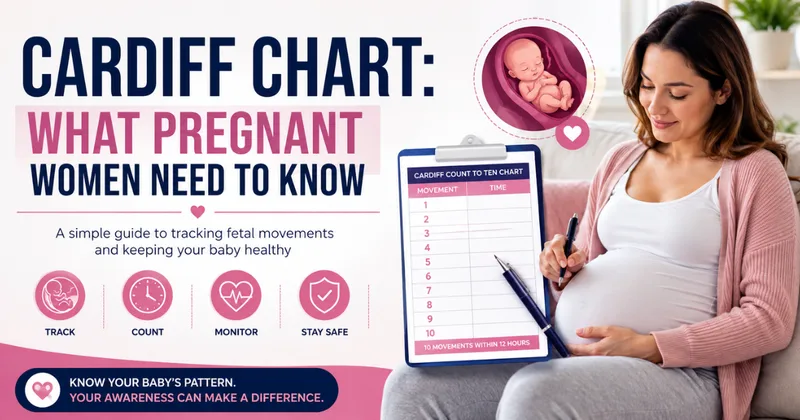
Cardiff Chart: What Pregnant Women Need to Know
The Cardiff chart is a traditional way to record fetal movements during pregnancy. Here is how it works, what the number 10 means, and why reduced movements should not be ignored.