
What About Pets? What Every Loving Owner Should Know
Wondering what about pets and their everyday needs? This practical guide explains health, safety, nutrition, emotional well-being, and responsible ownership.

When people ask, what about pets they are often asking a bigger question: how do animals fit into a healthy, happy home? Pets can bring companionship, routine, laughter, and comfort, but they also depend on people for food, safety, medical care, and attention. Good pet care is not about being perfect. It is about being consistent, observant, and willing to learn.
What about pets and their daily needs?
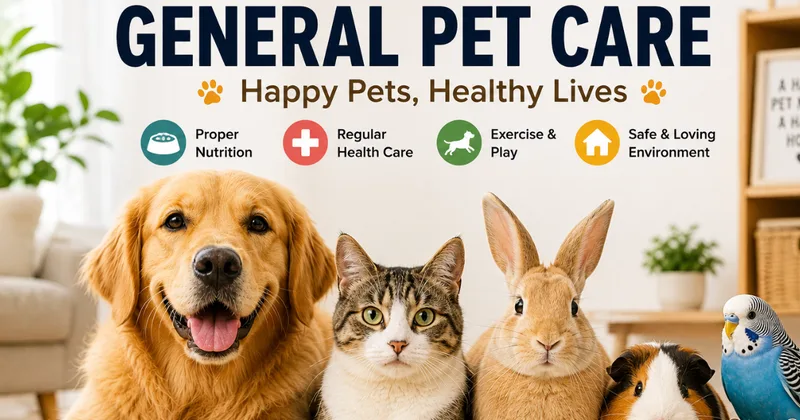
Every animal has its own routine, but the foundation of good care is similar. Pets need suitable food, fresh water, safe shelter, exercise, mental stimulation, and regular observation.
A simple daily checklist can include:
Check food and water.
Clean sleeping or living areas.
Provide suitable exercise and play.
Offer safe enrichment and attention.
Dogs may need walks and training, while cats often enjoy climbing, scratching, hiding, and interactive play. Rabbits and small mammals need carefully planned habitats and species-appropriate diets.
Why are pets important to families?
Pets often become part of ordinary family life. A dog may encourage outdoor activity. Research has examined the relationship between people and companion animals. The American Veterinary Medical Association provides guidance on responsible pet ownership and recognizes that animals can contribute to human well-being while also requiring proper care (source: AVMA).
Animals have their own needs and personalities, and responsible owners must put animal welfare first.
What should you consider before getting a pet?
Choosing an animal should be based on lifestyle rather than appearance. A pet that looks easy to care for may require more time, space, or money than expected.
Before bringing an animal home, ask:
How much time can I provide every day?
Is my home suitable and secure?
Can I afford food, supplies, grooming, and veterinary care?
Who will care for the animal during travel or emergencies?
Can my household commit for the animal’s full lifetime?
How can you tell when a pet is unwell?
Animals cannot explain their symptoms, so owners need to notice changes. A sudden loss of appetite, unusual hiding, extreme tiredness, breathing difficulty, repeated vomiting, limping, or major changes in drinking or bathroom habits can indicate a problem.
Watch for:
Changes in eating or drinking.
Unusual aggression or fear.
Difficulty walking or jumping.
Persistent coughing, sneezing, or discharge.
One small change may not always mean serious illness, but continuing or severe symptoms deserve professional attention. A qualified veterinarian can examine the animal and recommend appropriate treatment.
What about pets and children?
Pets and children can develop wonderful relationships, but adults must create safe boundaries. Young children may not understand that an animal needs space while eating, sleeping, hiding, or feeling frightened.
Teach children to approach calmly, avoid pulling tails or ears, never chase a scared animal, and let pets move away when they want.
Supervision matters most with babies and younger children. Safety protects both the child and the pet.
How can you keep pets mentally happy?
Physical health is only one part of good care. Animals also need appropriate stimulation, rest, social interaction, and opportunities to behave naturally.
Dogs may enjoy walks and training games. Cats may benefit from climbing spaces, scratching posts, and interactive toys. Rabbits and small mammals can enjoy tunnels, safe chew items, and spaces to explore.
Watch your pet’s body language. Relaxed posture, normal eating, curiosity, and comfortable interaction can suggest that an animal feels secure. Hiding, excessive vocalizing, destructive behavior, or sudden withdrawal may signal boredom, fear, pain, or stress.
For more practical guidance, see [insert related pet care article link here].
What mistakes should pet owners avoid?
Some problems begin with good intentions. Owners may overfeed because they want to show affection, buy unsuitable treats, skip exercise during busy weeks, or delay veterinary care because an animal seems “fine.”
Other common mistakes include using human medicines without professional advice, leaving pets in dangerous temperatures, ignoring dental care, and failing to secure toxic substances.
Reliable information matters. The American Animal Hospital Association provides educational resources on preventive care and safety (source: AAHA).
When advice conflicts online, choose information from qualified veterinary or animal welfare sources rather than anonymous social media posts.
What should new pet owners prepare?
Preparation makes the transition smoother. Before an animal arrives, arrange suitable food, water bowls, bedding, housing, identification, cleaning supplies, toys, and a safe resting area. Remove hazards such as medications, chemicals, toxic plants, loose wires, and small objects.
Find a veterinarian before an emergency. Keep medical records organized and plan for travel or emergencies.
Budgeting matters too. Routine costs may include food, grooming, litter, preventive treatments, vaccinations, toys, and checkups. Emergency veterinary treatment can cost much more, so planning ahead can reduce financial stress.
What about pets as long-term companions?
The most important point is that pet ownership is a long-term commitment. Puppies grow into adult dogs. Kittens become older cats.
A strong relationship grows through feeding, cleaning, exercise, gentle attention, and timely veterinary care.
The question what about pets has no single answer because every animal and household is different. The best approach is to learn first, prepare carefully, and stay attentive throughout the pet’s life.
Pets can add warmth and companionship to a home, but they also rely on people completely. When owners provide safe surroundings, proper nutrition, exercise, enrichment, preventive care, and patience, animals have a better chance to thrive.
For families, these simple habits can make everyday care easier, safer, and more rewarding. In the end, responsible pet ownership is less about doing everything perfectly and more about doing the important things consistently, too. A few thoughtful habits each day can protect an animal’s health, strengthen trust, and turn a simple household routine into a rewarding lifelong bond.
FAQs:
What do pets need every day?
Pets need suitable food, fresh water, safe housing, exercise, enrichment, and appropriate health care.
How can I tell if my pet is sick?
Changes in appetite, behavior, energy, breathing, movement, or bathroom habits may indicate illness.
Are pets good for families?
Pets can provide companionship and teach responsibility when their needs are understood and properly managed.
How can I keep my pet happy?
Provide suitable exercise, enrichment, attention, rest, and a safe environment.
Comments (0)
Be the first to comment.
Related stories
 Pet News
General Pet: What Every Owner Should Know About Pet Care
Caring for a pet is about more than food and affection. Learn the essential habits, safety tips, and everyday responsibilities that help pets live healthier, happier lives.
 Pet News
Hay Pets at Home: What Small-Pet Owners Need to Know
Looking for the right hay for your rabbit or guinea pig? Here is what to know about hay pets at home, including types, feeding, freshness, and care.
 Pet News
PetRehomer UK: How Pet Adoption and Rehoming Really Works
PetRehomer UK connects people looking to adopt with owners who need to rehome their pets, using applications, checks and support to encourage responsible matches.