
Our Pets: What Every Loving Owner Should Know
Our pets can become an important part of family life, but keeping them happy and healthy requires more than love. Here are practical care and safety tips every owner should know.

Our pets are more than animals sharing our homes. They greet us after a long day, add energy to quiet mornings, and often become part of family routines. From dogs and cats to rabbits, birds, and small mammals, pets can bring companionship and comfort. But behind the cute photos and playful moments is a simple truth: responsible pet ownership takes time, patience, planning, and genuine care.
Why do our pets matter so much to us?
Our pets matter because relationships with animals can become a meaningful part of everyday life. A dog may wait by the door when someone returns home. A cat may quietly settle beside its owner during a stressful evening. Even smaller animals can create familiar routines that people look forward to.
Research has explored the connection between people and companion animals. The American Veterinary Medical Association notes that pets can contribute to human well-being while also emphasizing responsible care (source: AVMA).
The benefits are not automatic, however. A healthy bond depends on understanding an animal's needs and respecting its individual personality.
What do our pets need every day?
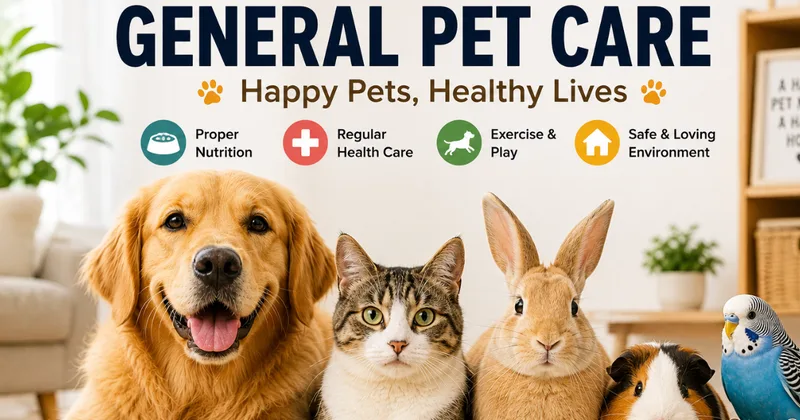
The basics are simple, but consistency matters. Most pets need suitable food, clean water, safe shelter, exercise, mental stimulation, hygiene, and access to appropriate veterinary care.
Daily care may include:
Providing fresh food and water
Cleaning sleeping and living areas
Offering age-appropriate exercise
Checking for unusual behavior
Giving safe toys or enrichment
Maintaining grooming and hygiene routines
Different species need very different care. A young puppy may require training and frequent outdoor breaks, while a senior cat may need a quieter routine. Rabbits need suitable diets and space to move, while small mammals may require carefully designed habitats.
How can we tell when a pet is unwell?
Changes in normal behavior can be an important warning sign. A pet that suddenly stops eating, hides more than usual, becomes unusually tired, struggles to breathe, or shows difficulty moving may need professional attention.
Owners should pay attention to patterns rather than waiting for dramatic symptoms. Useful things to notice include appetite, drinking, bathroom habits, energy levels, weight, coat condition, and social behavior.
If something seems seriously wrong, contact a qualified veterinarian. Online advice can provide general information, but it cannot replace an examination. Early professional care may also prevent a small problem from becoming a larger one.
For readers interested in practical animal wellness advice, [insert related pet health article link here].
Are our pets safe around children?
They can be, but supervision and education are essential. Children should learn that pets are living creatures, not toys. Pulling ears, chasing an animal, disturbing it while eating, or forcing unwanted contact can cause fear and defensive behavior.
Adults should supervise young children around animals, especially when the pet is unfamiliar. Children can be taught simple rules:
Approach calmly.
Let the animal come closer when possible.
Avoid disturbing sleeping or eating pets.
Wash hands after handling animals.
Tell an adult if the pet behaves strangely.
Safety protects both the child and the animal. A calm home environment usually gives pets more confidence and reduces avoidable stress.
How do we choose the right pet for our family?
The right pet should fit the household, not simply look appealing. Before adopting or buying, consider available space, daily schedules, household allergies, costs, exercise requirements, expected lifespan, and the animal's temperament.
Ask yourself:
Can I afford routine and emergency veterinary care?
Who will provide daily care?
What happens when the family travels?
Is there enough room for the animal?
Can everyone commit for its entire life?
These questions are especially important when children are asking for a pet. Their excitement may be genuine, but adults remain responsible for the animal's long-term welfare.
What are common mistakes pet owners make?
One common mistake is assuming that love alone is enough. Affection matters, but animals also need predictable care. Another mistake is choosing a pet because it is fashionable or looks easy to manage.
Other problems include overfeeding, skipping veterinary appointments, ignoring dental care, providing too little exercise, and failing to create a safe home environment.
Owners can reduce these risks by keeping a simple routine and learning about the specific species before bringing it home. Reputable shelters, veterinarians, and animal welfare organizations can provide useful guidance.
How can we make life better for our pets?
Small improvements can make a noticeable difference. Give pets opportunities to explore, play, rest, and interact appropriately. Rotate safe toys, create comfortable sleeping spaces, and make time for positive training or gentle interaction.
Pay attention to what your pet enjoys. Some animals love active games, while others prefer quiet companionship. Respecting those differences can strengthen trust.
Another important part of caring for our pets is noticing their emotional needs. Animals can experience fear, boredom, excitement, and stress, even when they cannot explain how they feel. Changes in routine, loud environments, loneliness, or uncomfortable handling may affect behavior. Providing predictable routines, quiet resting areas, safe enrichment, and gentle attention can help animals feel secure. When owners learn to read body language, they can respond sooner and avoid situations that cause unnecessary anxiety or confusion in everyday family life and at home each day.
Responsible ownership also means planning for the future. Keep vaccination and medical records organized, identify an emergency veterinarian, and make arrangements for care during travel or unexpected events.
Our pets give us companionship, but the relationship works both ways. When owners provide safety, patience, attention, and proper care, animals are more likely to thrive. The most rewarding pet relationships are rarely built on expensive products or perfect routines. They grow through everyday moments: a familiar greeting, a peaceful nap nearby, a walk after dinner, or a playful burst of energy.
For anyone thinking about welcoming an animal home, the best first step is not choosing the cutest pet. It is learning what that animal needs and deciding whether the household can provide it consistently. That preparation can turn pet ownership from a short-lived excitement into a lasting, rewarding relationship.
Are our pets good for families?
Yes, pets can provide companionship and teach children responsibility when properly supervised.
What do our pets need every day?
They need suitable food, fresh water, exercise, safe housing, enrichment, and proper health care.
How can I tell if my pet is sick?
Sudden changes in eating, behavior, energy, breathing, or movement can signal a health problem.
Are pets safe around children?
They can be, provided children are taught gentle handling and adults provide appropriate supervision.
How can I keep my pet happy?
Provide regular care, safe enrichment, exercise, attention, and a comfortable environment suited to its species.
Comments (0)
Be the first to comment.
Related stories
 Pet News
General Pet: What Every Owner Should Know About Pet Care
Caring for a pet is about more than food and affection. Learn the essential habits, safety tips, and everyday responsibilities that help pets live healthier, happier lives.
 Pet News
Hay Pets at Home: What Small-Pet Owners Need to Know
Looking for the right hay for your rabbit or guinea pig? Here is what to know about hay pets at home, including types, feeding, freshness, and care.
 Pet News
PetRehomer UK: How Pet Adoption and Rehoming Really Works
PetRehomer UK connects people looking to adopt with owners who need to rehome their pets, using applications, checks and support to encourage responsible matches.