
General Pet: What Every Owner Should Know About Pet Care
Caring for a pet is about more than food and affection. Learn the essential habits, safety tips, and everyday responsibilities that help pets live healthier, happier lives.
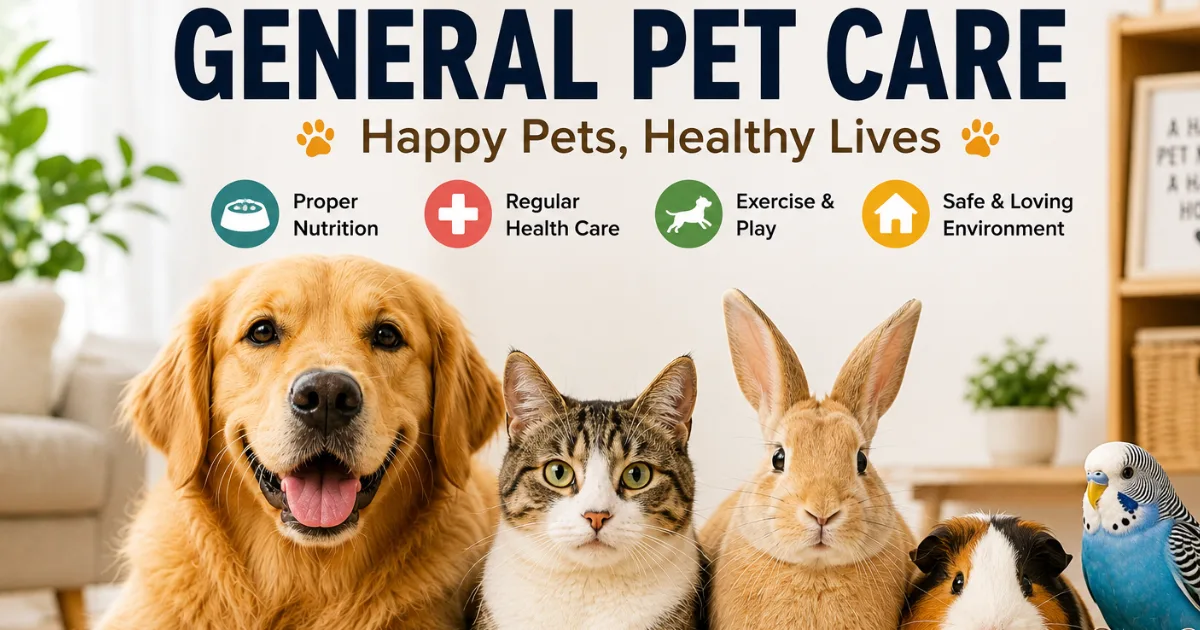
A general pet may sound like an idea. Whether you are thinking about a dog, cat, rabbit, bird, fish, or small companion animal, the same question comes first: can you provide the care it needs every day? Pets can bring comfort, laughter, and companionship, yet responsible ownership begins long before the first feeding bowl is filled. Understanding basic needs helps families make better choices.
What does “general pet” mean?
A general pet usually refers to a companion animal kept in or around the home. Dogs and cats are the most familiar examples, but the term can also include rabbits, guinea pigs, hamsters, birds, and other domesticated animals.
A playful puppy needs exercise and training. A cat may value quiet spaces and predictable routines. A rabbit needs appropriate food, housing, and opportunities to move. Even pets that appear easy to manage can have surprisingly specific needs.
Before choosing an animal, learn about its normal behavior, lifespan, diet, housing, exercise requirements, and likely veterinary costs.
What does a general pet need every day?
The basics are straightforward: nutritious food, clean water, safe shelter, appropriate exercise, mental stimulation, hygiene, and regular health care. The exact amount varies by species, age, size, and health.
A useful daily checklist includes:
Fresh, species-appropriate food and water
A clean and comfortable living area
Exercise or safe opportunities to explore
Positive interaction and enrichment
Quick checks for unusual behavior or injury
Grooming when appropriate
Consistency matters more than occasional bursts of attention. Animals learn routines, and predictable care can help them feel secure. Keep veterinary information and emergency contacts easy to find.
How do you choose the right pet?
The best pet is not necessarily the cutest, smallest, or most popular one. It is the animal whose needs match your household.
Ask yourself:
How much time can I give every day?
Do I have enough indoor and outdoor space?
Can I afford food, supplies, grooming, and veterinary care?
Who will care for the animal during holidays or emergencies?
Can my family commit to the pet for its entire lifetime?
Adults should remain responsible for care, even when a child promises to handle everything.
What are the most common pet care mistakes?
Owners may overfeed because they want to show affection, skip exercise because they are busy, or assume an animal will tell them when something is wrong.
Common mistakes include:
Giving unsuitable human foods
Ignoring dental care
Providing too little exercise
Delaying veterinary attention
Leaving pets in unsafe temperatures
Using products without checking whether they are suitable for the species
A general pet can hide signs of illness surprisingly well. Changes in appetite, energy, breathing, movement, drinking, bathroom habits, or behavior deserve attention. If a pet suddenly seems unwell, a qualified veterinarian is the safest source of advice. The American Veterinary Medical Association provides general guidance on responsible pet ownership (source: AVMA).
How can you keep a general pet healthy?
Healthy living is built through small habits. Feed the animal according to its species and life stage. Keep water available. Provide regular activity and safe enrichment. Maintain a clean environment and follow veterinary recommendations for preventive care.
Mental stimulation matters too. Dogs may enjoy training games and walks. Cats often benefit from climbing areas, scratching posts, and interactive play. Small mammals may need tunnels, hiding places, chew-safe items, and opportunities to explore.
Watch for changes rather than waiting for a crisis. Keeping a simple record of weight, medications, vaccinations, and veterinary visits can make future appointments easier.
For more practical advice, see [insert related pet health article link here].
Are pets safe around children?
Pets and children can form wonderful bonds, but supervision is essential. Young children may not understand when an animal wants space. Pulling ears, chasing a pet, hugging tightly, or disturbing an animal while it eats can create fear and increase the risk of scratches or bites.
Teach children to:
Approach calmly
Let pets move away when they want
Avoid touching sleeping or eating animals
Wash hands after handling pets
Tell an adult about unusual behavior
Adults should also teach children that animals are not toys. Respectful handling protects both sides and helps build trust.
What should new owners prepare before bringing a pet home?
Preparation can make the first days much easier. Set up food and water bowls, suitable bedding, secure housing, cleaning supplies, identification, and basic enrichment before the animal arrives.
Research a nearby veterinarian in advance. Make sure the home is safe by securing harmful chemicals, electrical cords, toxic plants, medications, and small objects that could be swallowed.
It is also wise to create a realistic monthly budget. Routine costs may include food, grooming, litter, bedding, toys, preventive treatment, and veterinary visits. Unexpected medical expenses can be higher, so an emergency fund is helpful.
Can a general pet improve family life?
Pets can become an important part of family routines. Walking a dog can encourage outdoor activity. Caring for a small animal can teach children about patience and responsibility. Quiet time with a cat or rabbit can provide companionship after a demanding day.
Still, benefits should never be used as a reason to overlook an animal's welfare. The relationship works best when people understand that the pet has needs, preferences, fears, and individual habits.
The most successful pet owners are not necessarily experts. They are attentive. They notice changes, ask questions, follow reliable advice, and make adjustments when an animal's needs change with age.
Good care also means adapting over time. Puppies become adults, older animals may slow down, and changing health can require different food, routines, or living arrangements.
A general pet can become a cherished member of the household, but that bond is built through everyday care rather than occasional attention. Choosing carefully, preparing properly, and staying consistent can help an animal live a safer, healthier, and happier life. Before bringing any pet home, take time to understand the commitment. A little preparation today can prevent major problems tomorrow and create years of rewarding companionship.
FAQs:
What is a general pet?
A general pet is a companion animal commonly kept at home, such as a dog, cat, rabbit, bird, or small mammal.
What does a pet need every day?
Pets need suitable food, fresh water, safe housing, exercise, enrichment, hygiene, and appropriate health care.
How do I choose the right pet?
Choose an animal whose care requirements match your time, space, budget, experience, and family routine.
How can I tell if my pet is sick?
Changes in appetite, energy, breathing, movement, drinking, or behavior may indicate a health problem.
Are pets safe around children?
Pets can be safe around children when adults supervise interactions and children learn gentle, respectful handling.
Comments (0)
Be the first to comment.
Related stories
 Pet News
Hay Pets at Home: What Small-Pet Owners Need to Know
Looking for the right hay for your rabbit or guinea pig? Here is what to know about hay pets at home, including types, feeding, freshness, and care.
 Pet News
PetRehomer UK: How Pet Adoption and Rehoming Really Works
PetRehomer UK connects people looking to adopt with owners who need to rehome their pets, using applications, checks and support to encourage responsible matches.
 Pet News
USA Pet Products: How to Choose the Best Options for Your Pet
Looking for USA pet products? Learn what “Made in USA” really means, which products are available, and how pet owners can compare quality, safety, price, and sourcing.