
On Pets: What Every Loving Owner Should Know
Caring for an animal involves much more than food and affection. This practical guide covers essential advice on pets, health, safety, routines, and responsible ownership.
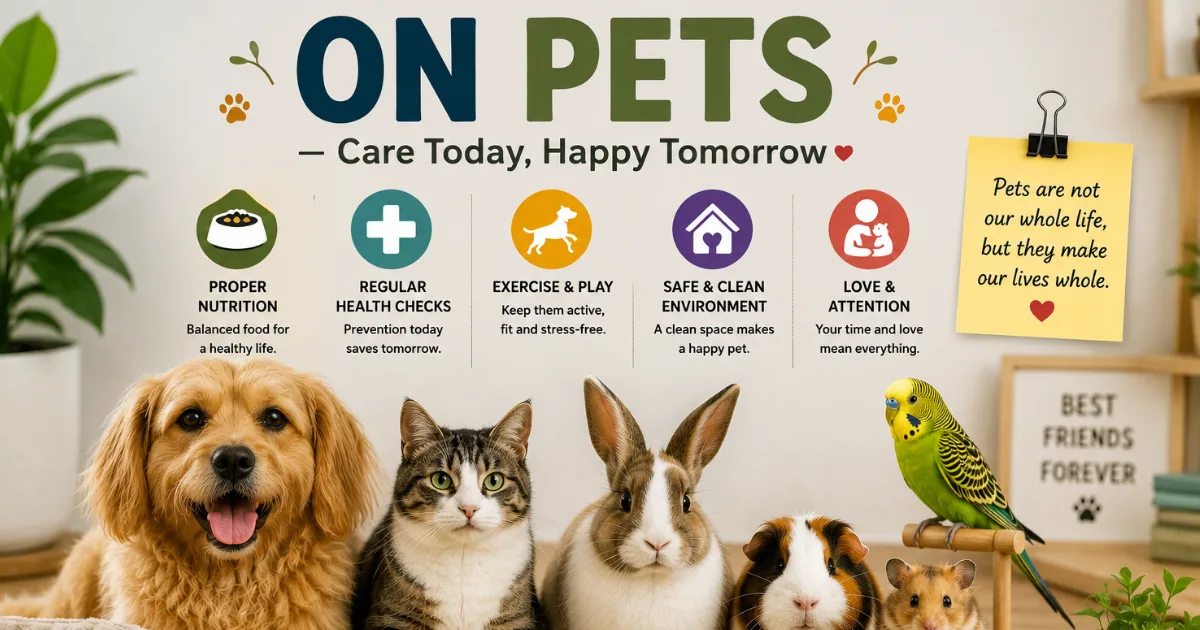
Pets have a way of turning ordinary moments into memories. A dog waiting at the door, a cat curled beside a laptop, or a rabbit exploring the room can make a home feel warmer. When people search for advice on pets, they are often looking for simple answers: what animals need, how to keep them healthy, and how to build a safe relationship. Good pet care is not about being perfect. It is about being consistent, observant, and willing to learn. Good information on pets should always focus on practical, trustworthy guidance.
What should every pet owner know first?
The first lesson is simple: every animal has individual needs. Dogs, cats, rabbits, birds, fish, and small mammals may all live with people, but their diets, housing, exercise, behavior, and health needs can be very different.
Before bringing an animal home, research its:
Typical lifespan
Food and water requirements
Housing and space needs
Exercise and enrichment needs
Grooming requirements
Veterinary costs
Temperament and social needs
This preparation can prevent problems later. A pet should fit your lifestyle, not be chosen only because it looks cute in a photo. Reliable information on pets can help families avoid unrealistic expectations.
How can you keep pets healthy every day?
Healthy animals usually benefit from a steady routine. Fresh water should be available, food should match the animal's species and life stage, and living spaces should remain clean and comfortable. Exercise and mental stimulation are equally important.
Daily care may include:
Checking food and water.
Cleaning bedding, litter, cages, or habitats.
Providing safe play or exercise.
Watching behavior and energy levels.
Giving appropriate grooming.
Making time for calm interaction.
Veterinary care also matters. Vaccinations, preventive treatments, dental checks, and routine examinations can help identify problems early. The American Veterinary Medical Association offers general guidance on responsible pet ownership and animal health (source: AVMA).
What signs may mean a pet is sick?
Animals cannot explain when something hurts, so owners need to notice changes. A pet that suddenly stops eating, hides constantly, drinks much more or less than usual, struggles to breathe, or becomes unusually weak may need veterinary attention.
Other warning signs can include:
Sudden weight change
Repeated vomiting or diarrhea
Limping or difficulty moving
Changes in bathroom habits
Unusual aggression or fear
A dull coat or poor grooming
Persistent coughing or sneezing
One unusual moment does not always mean an emergency. However, a clear or continuing change should not be ignored. When in doubt, contact a qualified veterinarian rather than relying on social media comments or unverified online advice. Good information on pets should never replace professional veterinary care.
How can families keep pets safe around children?
Children and animals can form wonderful bonds when adults teach respectful behavior. Young children may not understand that a sleeping, eating, frightened, or injured animal needs space. Rough handling can lead to scratches, bites, or stress.
Parents can teach a few simple rules:
Approach animals quietly.
Never pull ears, tails, feathers, or fur.
Do not disturb pets while they eat or sleep.
Let an animal move away when it wants.
Wash hands after handling animals.
Tell an adult if a pet behaves strangely.
Supervision is especially important with babies and young children. Safety should never depend on assuming that a familiar pet will always react calmly. Basic guidance on pets should always include safe handling and responsible adult supervision.
What do pets need for emotional well-being?
Physical care is only part of responsible ownership. Animals also need appropriate attention, stimulation, rest, and a sense of security. Boredom can contribute to unwanted behavior, while sudden changes or frightening environments may cause stress.
Dogs often enjoy walks, training games, sniffing activities, and social interaction. Cats may appreciate climbing areas, scratching surfaces, hiding places, and interactive toys. Rabbits and small mammals can benefit from safe tunnels, chew items, and opportunities to explore.
Pay attention to individual preferences. One animal may love attention while another prefers quiet companionship. Learning body language can help owners recognize when a pet is relaxed, excited, uncomfortable, or afraid.
For more practical guidance, see [insert related pet care article link here]. Helpful resources on pets should explain both physical needs and everyday behavior.
How should you prepare before bringing home a pet?
Preparation begins before the animal arrives. Set up safe food and water areas, suitable bedding or housing, cleaning supplies, identification, and species-appropriate enrichment. Remove hazards such as toxic plants, medicines, chemicals, loose wires, and small objects that could be swallowed.
A realistic budget is also important. Costs can include food, grooming, bedding, litter, toys, preventive medicine, vaccinations, and veterinary visits. Emergency treatment can be expensive, so planning ahead can reduce stress.
It is also wise to identify a nearby veterinarian and make a care plan for holidays, work trips, illness, or other unexpected events. Responsible ownership means thinking beyond the first exciting week.
Can pets become part of a healthy family routine?
Yes. Caring for animals can create meaningful routines and shared responsibilities. A dog walk may encourage outdoor activity. Feeding a rabbit can teach children consistency. Quiet time with a cat can become a comforting part of an evening.
However, pets should never be treated as entertainment that can be ignored when life becomes busy. They depend on people every day, including weekends, holidays, and difficult periods.
The best advice on pets often comes down to one principle: notice the animal in front of you. Learn its normal habits, respect its boundaries, provide suitable care, and respond when something changes.
A strong human-animal relationship is built through ordinary actions rather than expensive products. Clean water, nutritious food, safe housing, exercise, gentle handling, veterinary care, and patient attention can make a major difference.
Before choosing an animal, ask whether your household can meet its needs for its entire life. That question may take a few minutes, but it can shape years of companionship.
Pets give people joy, comfort, and connection. In return, they deserve thoughtful care and a safe place to live. When owners understand that responsibility, everyday life with an animal can become one of the most rewarding parts of home life. That commitment also helps owners notice small changes, ask better questions, and make informed decisions. In the long run, thoughtful care creates a safer home and a stronger bond for everyone.
FAQs:
What is the most important thing to know about pets?
Every species has different food, housing, exercise, health, and emotional needs.
How can I keep my pet healthy?
Provide suitable food, fresh water, exercise, enrichment, hygiene, and recommended veterinary care.
How do I know if my pet is sick?
Sudden changes in eating, behavior, energy, breathing, movement, or bathroom habits may signal illness.
Are pets safe around children?
They can be when adults supervise interactions and children learn gentle, respectful handling.
What should I prepare before getting a pet?
Prepare suitable housing, food, supplies, veterinary contacts, safety measures, and a realistic care budget.
Comments (0)
Be the first to comment.
Related stories
 Pet News
General Pet: What Every Owner Should Know About Pet Care
Caring for a pet is about more than food and affection. Learn the essential habits, safety tips, and everyday responsibilities that help pets live healthier, happier lives.
 Pet News
Hay Pets at Home: What Small-Pet Owners Need to Know
Looking for the right hay for your rabbit or guinea pig? Here is what to know about hay pets at home, including types, feeding, freshness, and care.
 Pet News
PetRehomer UK: How Pet Adoption and Rehoming Really Works
PetRehomer UK connects people looking to adopt with owners who need to rehome their pets, using applications, checks and support to encourage responsible matches.