
Hate Radio: How Propaganda Turned Broadcasting Into a Weapon
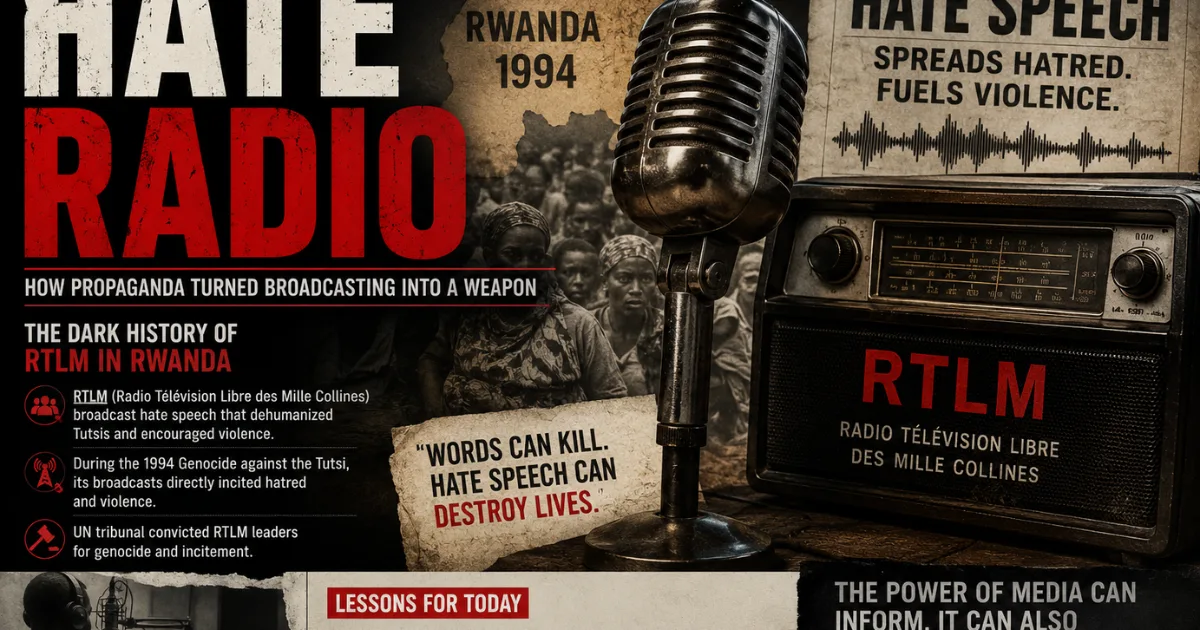
The phrase hate radio is most closely associated with Radio Télévision Libre des Mille Collines, or RTLM, a Rwandan station whose broadcasts became infamous during the 1994 Genocide against the Tutsi. Understanding that history helps explain why hate speech remains a serious concern today.
What does “hate radio” mean?
“Hate radio” generally describes broadcasting that targets a person or group with degrading, threatening or dehumanising messages, especially when those messages encourage discrimination or violence. The phrase is strongly linked to RTLM because of its role in Rwanda.
RTLM began broadcasting in 1993 and quickly attracted listeners with music, humour, informal language and phone-ins. That style mattered. Harmful propaganda was not always presented like a formal political speech. It could be mixed with entertainment, making extreme ideas easier to hear, repeat and normalise.
Why is RTLM called hate radio?
RTLM is called hate radio because its broadcasts promoted ethnic hatred and, during the genocide, directly encouraged violence against Tutsi people and others. The United Nations tribunal that investigated the media’s role found that some broadcasts after April 6, 1994 directly incited genocide. (source: United Nations International Criminal Tribunal for Rwanda)
In 2003, the tribunal convicted RTLM figures Ferdinand Nahimana and Jean-Bosco Barayagwiza, along with newspaper editor Hassan Ngeze, for genocide-related crimes and incitement. The Appeals Chamber later upheld important parts of those convictions. This made the case a landmark in international criminal law.
How did hate radio influence people?
The answer is more complicated than simply saying people heard a broadcast and immediately acted. Radio operated inside a wider environment of war, fear, political extremism and organised violence.
RTLM repeatedly portrayed Tutsis and political opponents as dangerous enemies. Repetition helped create a distorted picture of reality. Listeners could hear similar claims from different sources, while local authorities, militia networks and other propagandists reinforced the message.
Human Rights Watch has documented how radio became especially powerful because it could reach people simultaneously across communities, including audiences with limited access to other forms of information. (source: Human Rights Watch)
People responded in different ways, and the causes of the genocide were broader than broadcasting alone. But the historical record shows that media propaganda helped create an atmosphere in which violence could be encouraged and justified.
When did the Rwandan hate radio broadcasts become most dangerous?
The broadcasts became especially dangerous during the genocide that began in April 1994. The United Nations records that RTLM began broadcasting messages blaming the Rwandan Patriotic Front and calling for the elimination of Tutsi people soon after the assassination of President Juvénal Habyarimana.
The station also identified people and encouraged listeners to act against perceived enemies. They formed part of a propaganda campaign.
The International Criminal Tribunal for Rwanda later found that certain RTLM broadcasts after April 6 directly and publicly incited genocide. That legal finding remains one of the clearest examples of media being examined as part of international criminal justice.
Was hate radio the only cause of the genocide?
No. This is an important distinction.
The 1994 Genocide against the Tutsi resulted from multiple political, military, social and historical factors. Extremist propaganda was one part of a much larger system that included organised violence, political mobilisation, armed groups and long-standing ethnic tensions.
Academic research also cautions against treating radio as a magical explanation for mass violence. A broadcast can influence attitudes, but its impact depends on the surrounding political and social environment.
It shows that dangerous propaganda becomes particularly powerful when institutions are weak, fear is widespread and organised actors are prepared to turn hostile messages into action.
What can today’s social media platforms learn from hate radio?
One major lesson is that communication technology does not automatically create truth. A platform can spread accurate information, rumours, hatred or calls for violence at extraordinary speed.
Modern social networks are different from 1990s radio, but some risks are familiar:
Repeated claims can make false ideas seem credible.
Humour can disguise abusive messages.
Influential personalities can normalise extreme language.
Targeted misinformation can deepen fear.
Algorithms can help controversial content reach large audiences.
The United Nations now describes hate speech as a dangerous threat and has highlighted the role of social media in modern persecution campaigns. (source: United Nations)
[insert related article link here] can provide readers with a broader guide to online hate speech and misinformation.
Can freedom of speech protect hate radio?
Freedom of expression is important, but it is not a simple shield for every form of communication. The Rwanda media case recognised the need to distinguish protected expression from direct promotion of ethnic hatred and genocide.
That distinction matters today. Strong criticism of governments, religions, political movements or public figures can be legitimate. Direct threats, targeted incitement and deliberate calls for violence raise very different legal and ethical questions.
The lesson from RTLM is not that controversial opinions should automatically be silenced. It is that societies need clear rules, independent institutions and responsible journalism when speech moves from debate toward persecution or violence.
Why does the hate radio story still matter?
The history of hate radio remains relevant because technology keeps changing while human vulnerabilities remain. Radio once offered an unusually powerful way to reach communities. Today, a smartphone can deliver a message to millions within minutes.
Understanding propaganda is more useful than simply fearing new technology.
Readers should check sources, question emotionally charged claims and avoid sharing content designed to provoke hatred against an entire group. Journalists should provide context, verify allegations and avoid repeating dehumanising language unnecessarily.
For anyone searching for the meaning of “hate radio,” the central lesson is clear: RTLM shows how media can become dangerous when propaganda, discrimination and organised violence reinforce one another. Its history is remembered not to sensationalise the past, but to recognise warning signs before hateful rhetoric becomes something far more destructive.
FAQs:
What is hate radio?
Hate radio refers to broadcasting that promotes hatred, discrimination, dehumanisation or violence against targeted groups.
Why is RTLM called hate radio?
RTLM is associated with hate radio because its broadcasts promoted ethnic hatred and incited violence during Rwanda’s 1994 genocide.
When did RTLM broadcast?
RTLM began broadcasting in 1993 and played a significant role during the 1994 Genocide against the Tutsi.
Did hate radio cause the Rwandan genocide?
Radio propaganda was an important factor, but the genocide resulted from multiple political, military and social causes.
Why does hate radio matter today?
Its history shows how repeated propaganda can spread hatred and why responsible media and online content moderation matter.
Comments (0)
Be the first to comment.
Related stories
 International News
How to Increase Facebook Followers: Simple Strategies That Work
Want more Facebook followers without relying on fake accounts? Discover practical strategies for better content, Reels, engagement, collaborations, and organic growth.
 International News
How to Create a Facebook Page: Easy Step-by-Step Guide
Want to build your presence on Facebook? This simple guide explains how to create a Facebook page, complete your profile, publish content, and grow your audience.
 International News
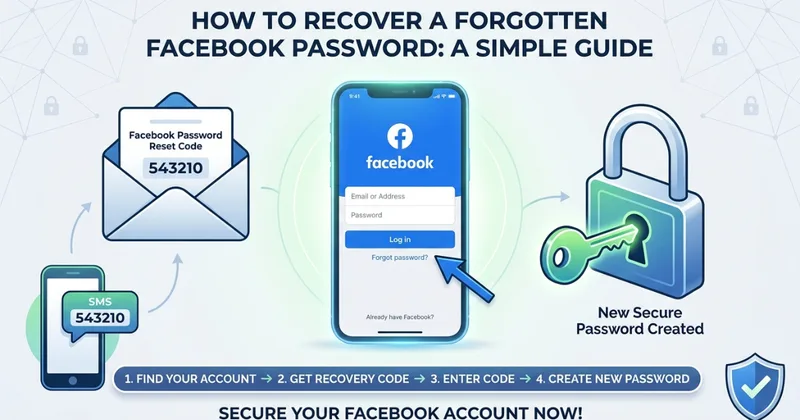
How to Recover a Forgotten Facebook Password: A Simple Guide
Forgot your Facebook password? This simple guide explains how to recover your account, receive a recovery code, reset your password, and protect your account afterward.