European Lifestyle Trends 2026: Why Everyone Is Suddenly Living Slower, Warmer, and Wiser
From slower travel to warmer homes and mindful wellness, European Lifestyle Trends 2026 show a continent quietly rewriting the rules of a good life — here's what's really behind the shift.
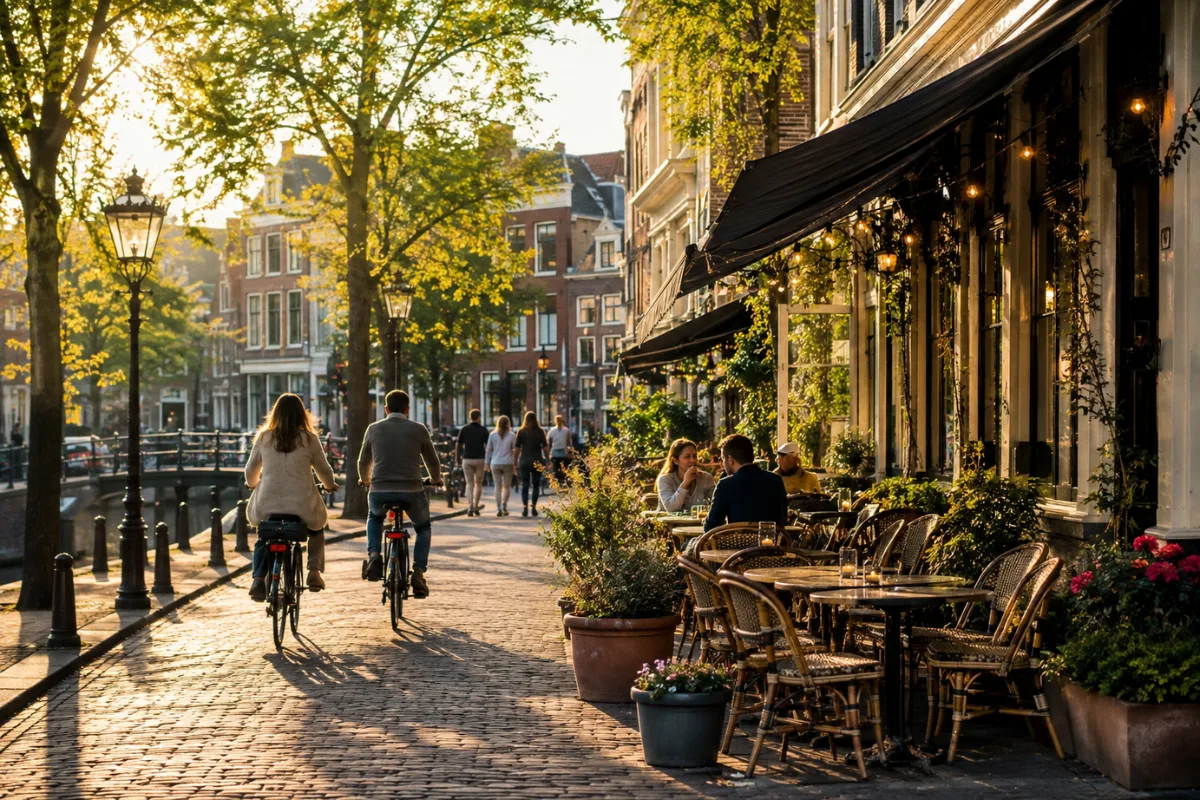
Something interesting is happening across the continent this year, and it's not just another passing fad. European Lifestyle Trends 2026 point to a real, measurable shift in how people are choosing to live, travel, and spend their time — and honestly, it's a shift many of us have been quietly craving for years.
Gone is the frantic "always-on" hustle culture of the early 2020s. In its place is something calmer, more intentional, and surprisingly practical. Whether it's where people are choosing to live, how they're decorating their homes, or how they're planning their next holiday, this year's European lifestyle story is all about depth over speed.
Let's break down exactly what's changing, why it's happening, and what it might mean for you.
What Exactly Are the European Lifestyle Trends 2026?
At a high level, European Lifestyle Trends 2026 revolve around six connected ideas: slow travel, cost-stable second-tier cities, warm and personal home design, circadian-friendly eating, alcohol-free social spaces, and tech that blends quietly into daily life instead of dominating it.
These aren't isolated fads. They're connected by one underlying theme — people want more control, more meaning, and less noise in their everyday lives.
Why Are People Moving Away from Big European Capitals?
Rising rents and unpredictable costs in major cities like Lisbon and Prague have pushed many residents — especially remote workers and young families — to look elsewhere.
Instead of overheated capitals, people are now discovering:
Vibrant second-tier cities with lower, more stable living costs
Regions offering strong healthcare, clean air, and safety
Areas where old industrial buildings have been converted into lofts, galleries, and community spaces
Locations where day-to-day expenses stay predictable year over year
A recent regional cost-of-living analysis found that "cost stability" is now considered just as important as the price tag itself, since unpredictable rent swings create long-term financial stress (source: One Place Regional Living Report, 2026).
How Is Travel Changing Across Europe This Year?
Travel is slowing down — literally. Instead of racing between famous landmarks, more people are choosing journey-focused trips: rail journeys, cycling routes, road trips, and multi-stop itineraries where the route itself becomes part of the experience.
According to recent tourism industry analysis, travelers are increasingly prioritizing authentic local culture, food, and immersive experiences over simply ticking off tourist hotspots (source: Mastercard Economics Institute Travel Report, 2026).
This also means travelers are venturing beyond the obvious hotspots toward:
Heritage hotels and restored historic buildings
Rural retreats and countryside farm stays
Lesser-known towns that offer authenticity without the crowds
Slower, multi-day itineraries instead of rushed weekend hops
If you're planning your next European getaway, this is a good moment to think beyond the usual checklist and consider a slower route. [insert related article link here] for a full guide on planning a slow-travel itinerary across Europe.
What's Happening Inside European Homes Right Now?
Interior design is having a warmth revival. After years of stark white minimalism, homeowners are shifting toward richer, cozier palettes and personal touches.
Key home trends for 2026 include:
Warm neutral tones like cocoa brown, terracotta, and soft greige replacing cold whites and greys
Layered textiles that add depth and a handmade, heritage feel
Ceilings treated as a design feature, with murals, texture, and bold color
Technology that's fully integrated but visually invisible
A clear move away from generic, copy-paste "Instagram interiors" toward individual character
Designers are calling this a shift toward genuine personalization rather than chasing whatever look is trending online.
Why Is Wellness Looking So Different This Year?
Wellness in 2026 is less about extreme diets and more about working with your body's natural rhythm. This includes eating in tune with your circadian clock, focusing on anti-inflammatory foods, and cutting back on ultra-processed products.
At the same time, socializing is changing too. The sober-curious movement has grown into something bigger — members' clubs and social spaces built entirely around connection rather than alcohol are appearing in both cities and countryside settings.
Together, these shifts reflect a bigger mindset change: people want to feel genuinely good, not just look like they're wellness-focused on social media.
Is This Just a Trend, or a Real Long-Term Shift?
It's looking like more than a passing moment. Multiple independent reports — covering travel, real estate, design, and consumer behavior — are pointing in the same direction: slower, more intentional, more personalized living.
When several unrelated industries start showing the same pattern at the same time, it's usually a sign of a genuine cultural shift rather than a short-lived trend cycle.
What Does This Mean for You?
You don't need to move to a new country or redecorate your entire home to take part in this shift. Small changes can reflect the same mindset:
Plan your next trip around experiences, not just destinations
Choose a few warm, personal touches for your living space instead of following every trend
Pay attention to your own eating and sleep rhythms rather than rigid diet rules
Prioritize real-life connection over constant digital noise
European Lifestyle Trends 2026 aren't about copying a magazine spread — they're about living with more intention, wherever you are.
FAQ:
Q1: What are the biggest European lifestyle trends in 2026?
A: Slow travel, warm home design, circadian-friendly wellness, and a move toward affordable second-tier cities lead the biggest European lifestyle trends in 2026.
Q2: Why are people leaving major European capitals?
A: Rising and unpredictable rents are pushing people toward second-tier cities that offer stability, safety, and a better quality of life.
Q3: What does "slow travel" mean in 2026?
A: Slow travel means choosing journey-focused trips like rail routes, cycling, and multi-stop itineraries over rushed, landmark-only visits.
Q4: Are European interior design trends changing in 2026?
A: Yes, homes are moving away from cold minimalism toward warm tones, layered textiles, and personalized, character-filled spaces.
Q5: Is the wellness trend in Europe just about diet?
A: No, it also includes alcohol-free social spaces and eating patterns aligned with your body's natural circadian rhythm.
Comments (0)
Be the first to comment.
Related stories
 Lifestyle & Fashion
How to Create an Instagram Account: Easy Step-by-Step Guide
Creating an Instagram account is quick and simple. Here is a practical step-by-step guide covering signup, usernames, profiles, privacy, security, and what to do next.
 Lifestyle & Fashion
How to Increase Instagram Views Fast: 10 Smart Tips
Want more Instagram views without buying fake engagement? These practical Reel strategies can help you reach more people, improve retention, and grow naturally.
 Lifestyle & Fashion
Instagram Reels Tips for Maximum Engagement in 2026
Want more views, likes, shares, and comments on your Reels? These practical strategies can help creators make engaging videos and build a stronger Instagram audience.