
Animal for Pets: Which Companion Is Right for Your Home?
Choosing an animal for pets is a big decision. Learn which companion animals may fit different homes and what owners should know about care, health, safety, and costs.
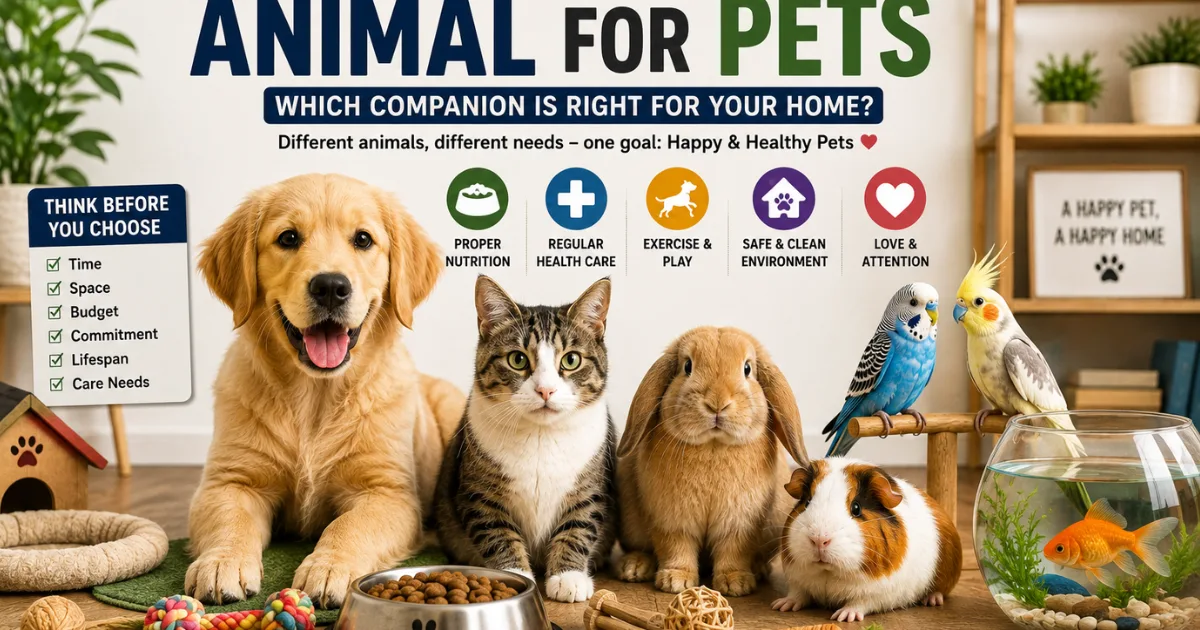
When people search for animal for pets they are usually trying to answer a simple question: which animals can live safely and happily with people? The answer depends on lifestyle, space, budget, time, and the animal’s natural needs. Dogs and cats are familiar choices, but rabbits, guinea pigs, birds, fish, and other domesticated animals can also become loving companions. Choosing well starts with understanding its needs.
What does “animal for pets” really mean?
An animal for pets is generally a domesticated animal kept for companionship rather than farming, hunting, or work. Common examples include dogs, cats, rabbits, guinea pigs, hamsters, birds, and fish.
Each species has different needs. Dogs may need walks and training. Cats often need climbing areas, scratching surfaces, play, and quiet spaces. Rabbits need suitable housing, exercise, nutrition, and gentle handling. Birds require appropriate cages, stimulation, and species-specific diets.
The right choice is not the animal that looks cutest. It is the animal whose needs your household can realistically meet.
Which animal makes the best pet?
There is no single best pet for everyone. The right animal depends on the owner and the home.
Dogs can suit active households that have time for exercise, training, and regular interaction. Cats may suit people who want companionship but have a different daily schedule. Smaller animals can appear easier to manage, but they still require proper food, clean housing, enrichment, and veterinary attention.
Before choosing, consider:
Available space
Daily time commitment
Food and veterinary costs
Noise and cleaning needs
Expected lifespan
Travel arrangements
Other people or animals living at home
A good match can make ownership rewarding.
What should you consider before bringing an animal home?
Preparation should happen before adoption or purchase. Research the species and, if possible, speak with a qualified veterinarian or reputable animal welfare organization.
Understand the animal’s diet, housing, exercise, grooming, behavior, and health needs. Prepare food, water containers, bedding, cleaning products, identification, and safe enrichment before arrival.
Pet-proof the home by securing medicines, chemicals, electrical wires, toxic plants, and small objects. Decide where the animal will sleep, eat, exercise, and retreat.
See [insert related pet adoption article link here].
How do you keep a pet healthy?
Good health begins with routine care. Provide fresh water, suitable nutrition, a clean living environment, regular exercise, and appropriate mental stimulation.
Owners should also watch for changes in normal behavior. Warning signs can include:
Sudden loss of appetite
Unusual tiredness or hiding
Difficulty breathing
Repeated vomiting or diarrhea
Limping or trouble moving
Major changes in drinking or bathroom habits
Persistent or serious changes should be discussed with a veterinarian.
The American Veterinary Medical Association provides guidance on responsible pet ownership and animal health (source: AVMA). Trusted veterinary advice is safer than random social media claims.
Are small animals easier than dogs and cats?
Not necessarily. A smaller body does not mean fewer responsibilities. Rabbits, guinea pigs, hamsters, and birds have specific dietary, housing, social, and environmental requirements.
Small animals may need designed habitats, regular cleaning, safe exercise, and enrichment. Some are social and may become stressed when isolated. Others are sensitive to temperature, noise, handling, or sudden changes.
Fish also require more than a bowl of water. Their tanks need suitable filtration, water quality, temperature, space, and species-appropriate care.
The question is not “Which pet is easiest?” It is “Which animal can I care for properly every day?”
Can children help care for pets?
Yes, children can learn valuable lessons from caring for animals, but adults should remain responsible for the pet’s welfare. Young children may forget tasks or misunderstand animal behavior.
Parents can teach children to:
Approach animals calmly.
Never pull tails, ears, feathers, or fur.
Avoid disturbing animals while they eat or sleep.
Wash hands after handling pets.
Tell an adult if an animal seems sick or frightened.
Supervision is especially important with younger children.
What makes an animal happy?
Physical needs are only part of responsible care. Animals also need security, stimulation, rest, and opportunities to behave naturally.
Dogs may enjoy walks, scent games, training, and interactive play. Cats often benefit from climbing spaces, scratching posts, hiding areas, and toys. Rabbits and small mammals can enjoy tunnels, safe chew items, and exploration.
Learn your pet’s normal body language. A relaxed animal may eat normally, explore, rest comfortably, and interact in familiar ways. Sudden withdrawal, excessive fear, destructive behavior, or unusual aggression can signal stress, discomfort, or another problem.
How much does pet ownership cost?
Costs vary widely by species, size, age, location, and health. Food is only one part of the budget. Owners may also pay for housing, bedding, grooming, toys, preventive treatments, vaccinations, dental care, and veterinary visits.
Emergency care can be expensive, so plan for unexpected costs.
A responsible owner should never choose a pet based only on the purchase or adoption price. The long-term cost of care matters much more.
What is the most important rule for choosing a pet?
The most important rule is to choose based on the animal’s needs and your ability to meet them. An animal should not be treated as a temporary trend, surprise gift, or decoration.
An animal for pets can become a valued companion when owners provide patience, safety, nutrition, exercise, enrichment, and medical care. The relationship grows through ordinary daily actions.
Before bringing an animal home, ask whether you can make that commitment for its entire life. This can prevent difficult decisions later.
Good pet ownership is not about having the perfect animal. It is about creating the right environment for the animal you choose. With research, preparation, and consistent care, families can enjoy years of companionship while giving their pets the safe and respectful life they deserve. Responsible care also means learning as the animal grows, because its needs can change with age, health, environment, and behavior. Staying informed helps owners respond calmly and make decisions.
FAQs:
What is an animal for pets?
An animal for pets is a domesticated animal kept mainly for companionship, such as a dog, cat, rabbit, bird, or fish.
Which animal is best for a pet?
The best pet depends on your lifestyle, available space, budget, time, and ability to meet the animal’s needs.
Are small animals easy to care for?
Small animals still require suitable food, housing, exercise, enrichment, cleaning, and veterinary care.
What should I consider before getting a pet?
Consider the animal’s lifespan, care requirements, costs, space needs, and your long-term commitment.
Can children help care for pets?
Children can help with suitable tasks, but adults should remain responsible for the animal’s overall welfare.
Comments (0)
Be the first to comment.
Related stories
 Pet News
General Pet: What Every Owner Should Know About Pet Care
Caring for a pet is about more than food and affection. Learn the essential habits, safety tips, and everyday responsibilities that help pets live healthier, happier lives.
 Pet News
Hay Pets at Home: What Small-Pet Owners Need to Know
Looking for the right hay for your rabbit or guinea pig? Here is what to know about hay pets at home, including types, feeding, freshness, and care.
 Pet News
PetRehomer UK: How Pet Adoption and Rehoming Really Works
PetRehomer UK connects people looking to adopt with owners who need to rehome their pets, using applications, checks and support to encourage responsible matches.